Online discussions about tool reconditioning often center around whether you should recondition your tools at all. That’s usually the easiest decision to make.
You likely already know you're interested in reconditioning for the economic impact it provides. Once that decision is made, the harder choices come next: when to pull tools from rotation, who to work with, what to expect when they come back, and how to keep cutting while they’re gone.
That’s where the real payoff comes from.
Before we go any further, we’ll clarify: Sonic Tools reconditions solid carbide tooling from any manufacturer, not just our own. We do these regrinds on the same 5-axis CNC grinders we use to produce our new tools.
Every reconditioning order includes some, if not all, of these steps:
- Regrind the tools to a functional spec for easy re-integration
- (If previously coated OR requested) Send the tools out for a re-coating with our verified coating partners
- (Optional) Laser etch and/or packaging re-label to include requested information or markings
- Conduct a multi-point quality control inspection of each reconditioned tool before and after coating
The rest of this article explains what a shop has to get right to make tool reconditioning financially and practically sensible.
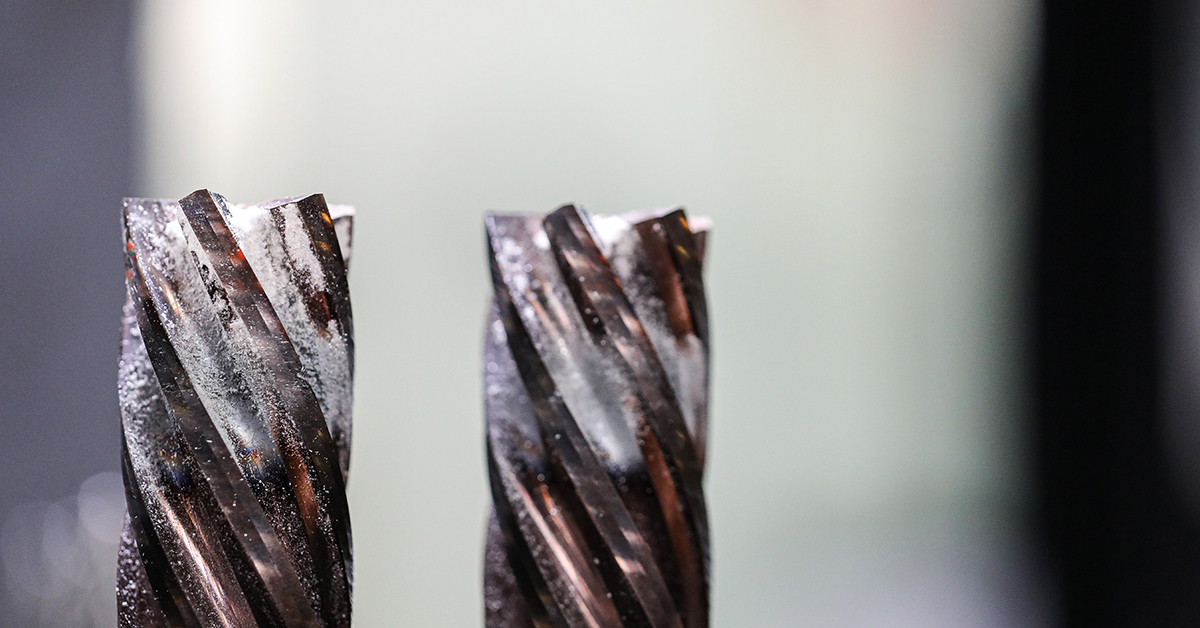
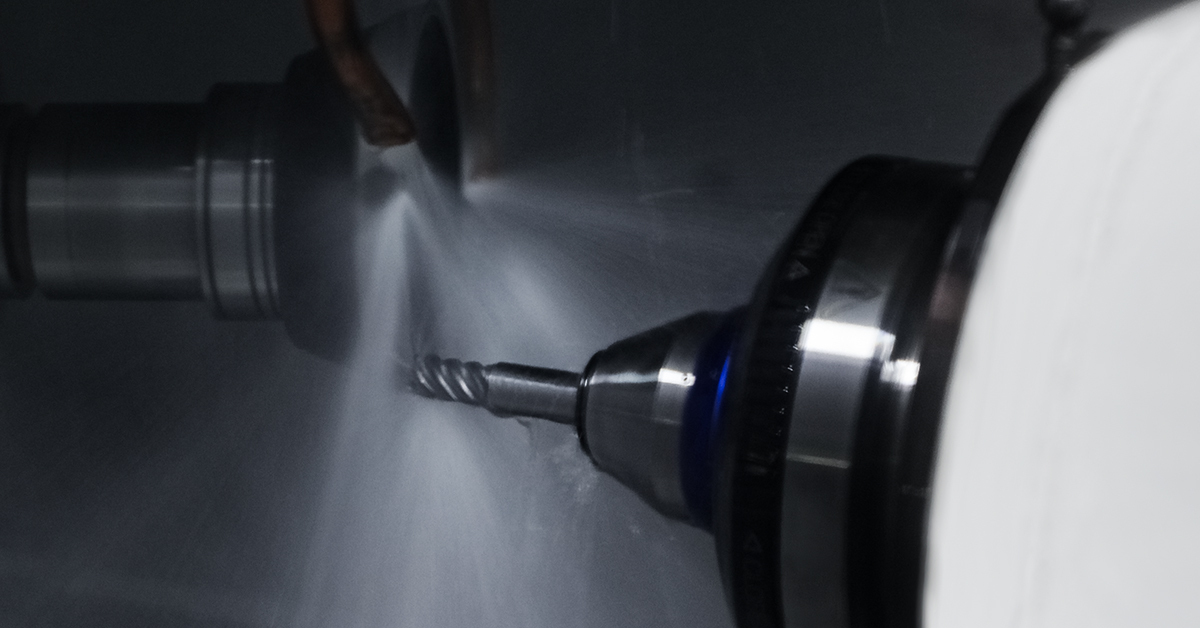
Built-up edge and flute wear are exactly what a regrind pass is built to fix. | Sonic Tools
When to Pull a Tool
Naturally, our first instinct is to run a tool until it can no longer produce acceptable parts or parts within a specified tolerance. If you intend to recondition it, that instinct costs you cycles and gives you less to work with later.
When a carbide tool is reconditioned, material is removed until the damaged edge or portion is gone and a clean flute form is re-established. Pull a tool with moderate flank wear, and you get a light reconditioning pass. Run it to failure, and you may add chipping, subsurface thermal damage, rounded corners, or worse, all of which must be ground past before the fresh carbide underneath can be used.
Both tools come back to you, but the heavily worn tool comes back smaller because more material had to be removed. It may also retain some chips depending on the severity of the condition. The moderately worn tool comes back closer to original spec.
That’s the whole difference between a tool that goes for several more cycles and a tool that goes for a few more.
Establish a wear limit rather than waiting for a part to finally measure out of tolerance. It makes the difference because it helps preserve more tool life for reconditioning. Damage that runs through the flute or the body is a different conversation, and it’s a replacement conversation rather than a regrind.
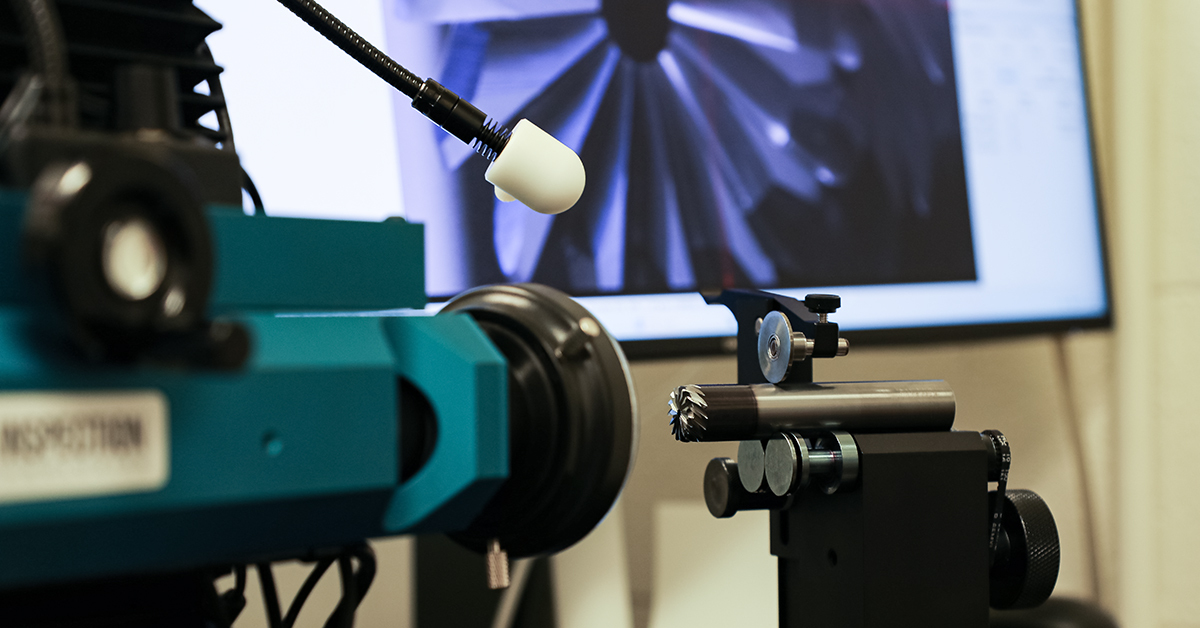
Reground profiles get checked before and after reconditioning using various CNC machine inspection technologies. | Sonic Tools
What Comes Back Different, What Shouldn’t, and What to Ask
Three things change on a reground tool. Two are expected, one is specified, and one should always remain the same.
The Cutting Diameter
Re-establishing a cutting edge means grinding the flute form, which in turn impacts the cutting diameter.
An exception is an end-face-only recondition, where the periphery remains as is. Reground tools come back under nominal, so the question isn’t whether; it’s by how much, and how that affects your setup and tool change.
So, ask what the returned cutting diameter measures, and put the request in before the order is placed. We measure and report it as long as it’s asked for.
A documented diameter is an offset update that takes no real time at all. An undocumented diameter means time spent touching off, presetting, and possibly even scrapping your tool.
A real shop’s account of why they left a vendor: their 16mm end mills “were ground down to 15mm instead of being lightly touched up.” Far too often, shops will receive a box of their finished regrinds which come back with an assortment of sizes nobody actually recorded.
This is an easily corrected headache.
The Coating
As a tool loses material when it’s reground, it loses the coating as well, creating an imbalance in the tool’s coating. Coating touch-ups aren’t feasible, so a reconditioned tool has to receive a full and fresh recoat to retain its effectiveness.
Machinists may be skeptical about the regrind-recoat process since some or most tooling manufacturers and regrinders don’t have the in-house capacity to add coatings back and often “can’t duplicate the coating” as it was when the tool was new. Recoating is a separate operation from grinding, so like nearly everyone in this industry, we outsource it.
The coating does come back to spec, since a fresh application isn’t constrained the way diameter is. What makes the difference is what goes out with the tools: we send our partners the application, the previous coating, the reason for recoating, and the condition of the coating currently on it to ensure the tool retains its exact qualities.
Pro Tip: Ask your reconditioning partner or preferred manufacturer exactly how they’ll handle recoating your tools. Ask which coating they’ll reapply and why. Ask how they document the process, what data they send with the tools, and what they measure before shipping them back so you know exactly what to expect.
In our reconditioning process, we specifically offer TiB2, TiAlSiN, AlTiN, and AlCrN coatings depending on tool type and application. These are the same coatings we offer on our new tools, and if you’re seeking a coating outside of our lineup, let us know so we can quote accordingly.
Remember, a tool that comes back with the wrong coating can be worse than the tool coming back with no coating at all. It’ll look correct and fail early.
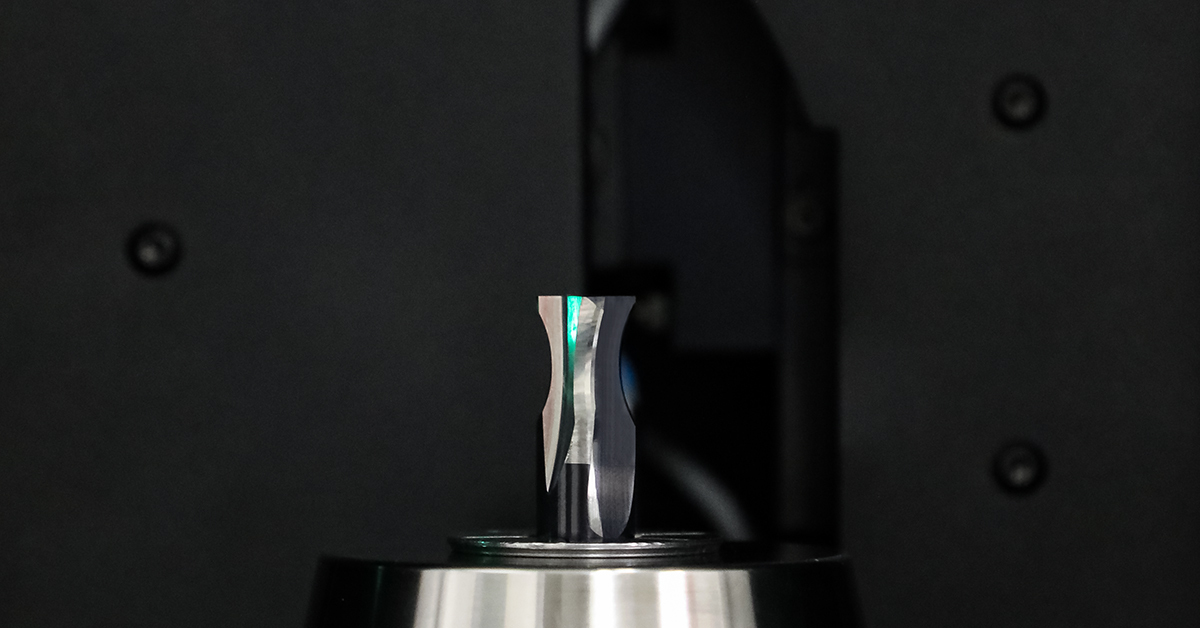
Inspections before and after a tool receives a recoat ensure tolerances and profiles aren't altered in the recoating process. | Sonic Tools
The Marking
Your tool’s marking most likely stayed intact through the reconditioning process, so that’s not usually something to be concerned about.
The real concern is that your marking no longer accurately displays any specs or specific changes, which can be especially confusing if your previous markings displayed specs like cutting diameter or tool length.
If it’ll help you down the road, ask for a laser etch on the shank or a re-marking with your specified units or significant figures on the tool’s container to ensure the tool’s specs are accurate and documented.
This is one less question mark to sort out later.
The Profile
The diameter and the coating often change upon regrind. The flute form shouldn’t.
A reground tool is supposed to come back offering the same function as it did when it was new, and whether it does comes down to the regrinder fully understanding the tool’s functionality.
A manufacturer regrinding its own tool already has everything they need to regrind the profile confidently. Every other tool gets worked back out from what’s provided. This isn’t a challenge when they’re reconditioning another manufacturer's 4-flute square end mill.
But on a form tool with a unique geometry or any profile a part feature depends on, it’s re-engineering, and it requires a thorough understanding of a form’s purpose to recondition the tool adequately.
So, ask what equipment the manufacturer reconditions on, as well as who analyzes and sets up the geometry. Our regrinds run on the same 5-axis machines we design and manufacture both standard and custom tools on, so your regrinds receive the same treatment and handling, no matter who created them and what the form is.
That consistency protects your profile and reinforces confidence.
The same 5-axis grinders we use to create our new tooling handle regrind passes as well, ensuring no quality gaps. | Sonic Tools
Keeping the Shop Covered While Tools are Out
This is an objection that stops most shops from seeking a regrind in the first place, and it’s an inventory issue rather than a tooling issue.
Since turnaround on a reconditioning order requires time you may not have and necessitates an order minimum quantity that could bite you later, be sure to plan with both of these factors in mind.
Usually, when turnaround time and minimum tool quantities are causing concern, shops do two things:
They forecast.
They forecast their projected workload against their current tool supply and approximate send vs. hold quantities around the turnaround times. Correctly forecasting your needed supply ensures you’re not sending too few or too many tools, and helps keep your budget and output on track.
They rotate.
Once they’ve done the forecasting math, they send only an allotted portion of their total count of any specific tool to be reground, keeping enough at the shop to keep everything moving while the tools are away.
Shops that continuously recondition their stock treat these as expected and normal steps in their management strategy, accounting for an expected cycle time. The shops that don’t usually take advantage of reconditioning don’t because they’re lacking a strategy in place.
They’ve likely sent too many tools or underforecasted expected workload, which quickly leaves them exposed. This is often enough to keep a business owner away from a service like reconditioning.
Fresh set of reground tools ready to ship back. | Sonic Tools
Where Regrinding Stops Making Sense
There are two cases.
Small diameters.
At Sonic Tools, our regrind-eligible floor diameter is 3/8-inch, and it’s not arbitrary. Machinists generally land on the same number independently: "Anything under 3/8-inch doesn’t seem cost effective to send out for resharpening."
Below that, handling, grinding, and shipping converge on the price of a new tool. Floors differ by vendor, so ask where theirs sits before you sort a box.
Tools considered commodities.
One machinist on shops pushing very high feed rates: “at 300 to 1000+ ipm, swarf becomes a problem with the regrinds.”
If a tool’s working life is measured in hours and its replacement is already budgeted, sending it out for regrind is a step backward, not a savings.
What it Costs Once a Tool Qualifies
With Sonic Tools, tool reconditioning costs around 33% of new-tool list price.
However, the exact cost depends on diameter, flute count, current condition, and which of the provided services you're requesting. 33% is an average that only matters after everything above is already handled. Send the actual tools and ask for a quote so you can compare the return clearly.
How far the cost carries depends on the application and the tool itself.
One production shop: “We do not have a problem holding ±0.001 with them at a minimum of 3 regrinds each, with some reaching 20 cycles.”
While that’s their result and not a Sonic guarantee, it’s worth reading as evidence that a well-managed reconditioning program is attainable for most, and can save companies and shops significant spend on tooling.
Frequently Asked Questions
How many times can the same end mill be reconditioned before it is finished?
There’s no specific or fixed number. A tool is finished when it can no longer spare material without falling below a usable cutting-diameter threshold, or when a flute form no longer cleans up. The count depends on the original diameter, the geometry, and how much or how hard the tool ran before it came in.
Will a reconditioned tool hold the same tolerance as a new one?
It can hold a tight tolerance, at a documented diameter rather than the nominal one. The shops that get consistent results are the ones working with and planning around the most current tool measurements.
Do I have to change my program or offsets after a regrind?
Typically, the offsets. Anything referencing tool lengths or diameters needs the actual figure rather than the nominal one to perform adequately.
Can a vendor recondition another manufacturer’s tools, or only its own brand?
It depends on the vendor themselves, and it’s worth asking early. Sonic Tools reconditions solid carbide from any manufacturer, so a mixed inventory doesn’t require multiple different reconditioning inquiries with different vendors. Some manufacturers only recondition their own tools, and some catalog brands don’t offer reconditioning at all.
How much does end mill reconditioning cost?
With Sonic Tools, reconditioning runs around 33% of new-tool list price. The exact figure depends on diameter, flute count, the condition the tool arrives in, and which services you’re requesting. Recoating is priced separately from the grind, so a tool that needs a fresh coating won’t land at the same number as one that doesn’t. Send the actual tools in and ask for a quote, since an average only tells you so much once the specifics are in front of you.
When should I pull an end mill for reconditioning?
Set a wear limit and pull to it, rather than waiting for a part to finally measure out of tolerance. A tool pulled at moderate flank wear takes a light pass and comes back closer to original spec. Running it to failure can add chipping, subsurface thermal damage, and rounded corners, all of which have to be ground past before the fresh carbide underneath is usable. That’s the difference between a tool that goes several more cycles and one that goes a few more.
Can an end mill be reconditioned if it is chipped or broken?
Light chipping on the cutting edge usually grinds out, since reconditioning removes material until the damaged portion is gone and a clean flute form is re-established. Damage that runs through the flute or into the body is a different conversation, and that’s a replacement rather than a regrind. If you’re unsure, send the tool in with the rest and ask. Each one gets inspected for remaining stock, edge condition, and restoration feasibility before anything is ground.
Every question in this article is one you can put to us. We’ll tell you, upon request, what the returned diameter measured, which coating went back on and why, and who set up the geometry. We’ve ground solid carbide in Ashland, Virginia for over twenty years, and we’ll do it for any brand you send, not just ours.
Better Tools. Better Results.